Navigating Paediatric Care in Auckland: What Parents Should Know
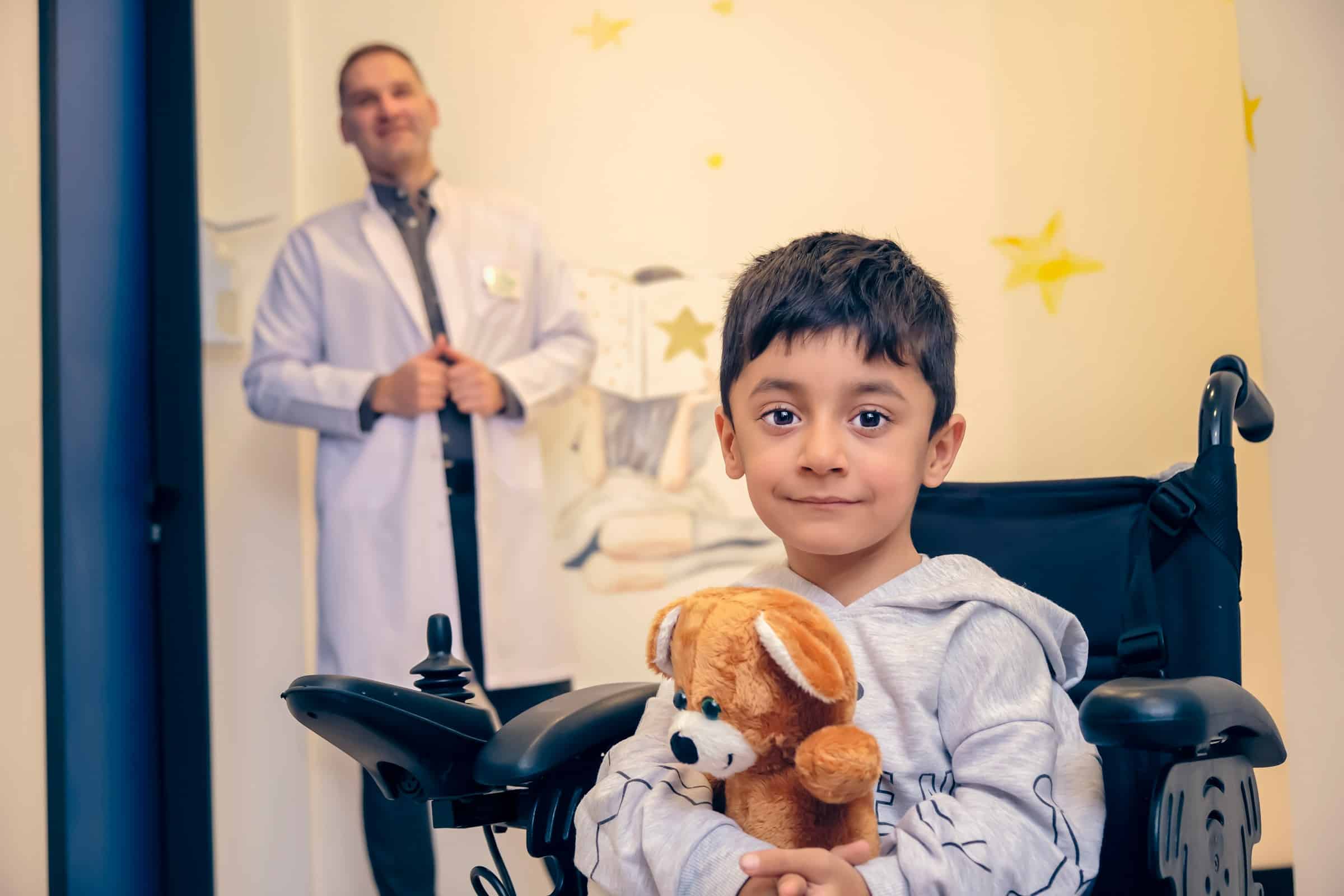
In New Zealand, paediatricians are usually accessed through referrals from family GPs or other healthcare professionals. Understanding how to navigate this process is crucial for Auckland parents seeking specialised medical care for their children. Here’s a guide to help you understand how paediatric care works and what steps to take if your child needs to see a paediatrician.
1. Understand the Referral Process
In New Zealand, you generally do not choose a paediatrician directly. Instead, your family GP or another healthcare provider will refer your child to a paediatrician if specialised care is needed. Here’s how the process typically works:
-
Initial Consultation: Start by visiting your family GP for any health concerns about your child.
-
Referral: If your GP determines that your child requires specialised care, they will refer you to a paediatrician at a public hospital or through a specialised clinic.
2. Types of Paediatric Care
Paediatricians specialise in diagnosing and treating complex or specific health conditions. Your GP may refer your child to a paediatrician for:
-
Chronic or Complex Conditions: Conditions like severe allergies, developmental disorders, or congenital health issues.
-
Specialist Assessments: Evaluations for specific developmental or behavioural concerns.
3. Preparing for the Referral
Once you receive a referral, here’s what you can do to prepare:
-
Gather Information: Collect all relevant medical records and information about your child’s health history.
-
Understand the Process: Familiarise yourself with the steps involved in the referral process and what to expect during the appointment.
4. What to Expect from a Paediatrician Appointment
During the paediatrician appointment, you can expect:
-
Comprehensive Evaluation: The paediatrician will conduct a detailed assessment of your child’s health condition.
-
Treatment Plan: They will provide a treatment plan and discuss the next steps with you.
-
Follow-Up Care: The paediatrician may recommend follow-up appointments or additional tests.
5. Communicating with Your GP
Keep open lines of communication with your family GP:
-
Updates: Inform your GP of any updates or changes in your child’s condition.
-
Feedback: Share any feedback or concerns you have about the care provided by the paediatrician.
6. Seeking Additional Resources
If needed, you can seek additional support:
-
Support Groups: Join support groups or networks for parents dealing with similar health issues.
-
Educational Resources: Access educational resources to better understand your child’s condition and treatment options.
7. Trusting the Process
While the referral process may seem complex, trust that your family GP and the paediatrician are working together to provide the best care for your child. Focus on supporting your child through their treatment and maintaining good communication with all healthcare providers involved.
By understanding the referral process and knowing what to expect, Auckland parents can navigate paediatric care more effectively. This approach ensures that your child receives the specialised care they need while you remain well-informed and supported throughout the process.