
How you can make your older children still feel loved and supported while caring for a newborn?
- By: Auckland for Kids
- Published:
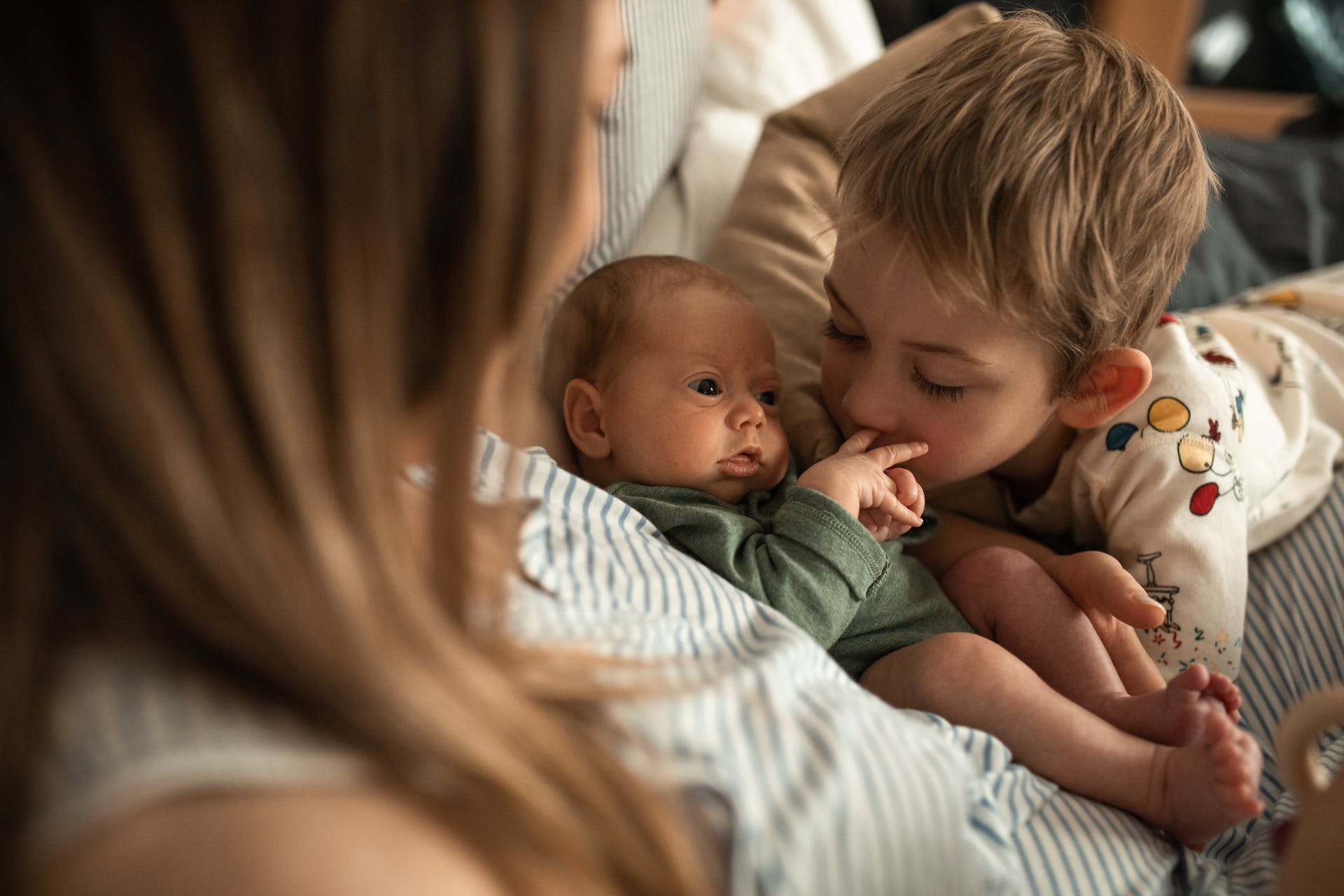
Bringing a new baby into your family is a beautiful and joyous occasion, but it can also come with its share of challenges, especially when you already have older children. As parents, you naturally want to ensure that your older kids continue to feel loved and supported while caring for their new sibling. In New Zealand, families often rely on strong bonds and support networks, and this can be especially important during this time. Here are some tips to help you navigate this transition and make sure your older children feel cherished and valued.
1. Communication is Key
One of the first steps in ensuring your older children feel loved and supported is open communication. Before the baby arrives, have age-appropriate conversations with your children about what to expect. Share the joy of welcoming a new family member and let them know that their role as a big brother or sister is essential. Encourage them to ask questions and express their feelings.
2. Involve Them in Baby Preparation
Include your older children in preparing for the arrival of their new sibling. Let them help choose baby items, set up the nursery, or pick out baby clothes. Involvement in these tasks can make them feel invested in the baby’s well-being and reduce any feelings of exclusion.
3. Special Time for Older Siblings
Amidst the demands of caring for a newborn, it’s important to set aside quality one-on-one time with your older children. This can be as simple as reading a book together, playing a game, or going for a walk. These moments not only reinforce your bond but also remind your older children that they are still a top priority in your life.
4. Encourage Their Independence
As your older children grow, they may crave more independence. Encourage this by allowing them to take on age-appropriate responsibilities. It might be helping with simple chores, picking out their own outfits, or making choices about their meals. Empowering them in this way can boost their confidence and sense of importance.
5. Support from Family and Friends
In New Zealand, families often have a strong support network. Don’t hesitate to lean on family and friends for help. Grandparents, Aunts, Uncles, or close friends can spend time with your older children, giving you a break to focus on the newborn. This support not only benefits you but also offers your older children additional sources of love and attention.
6. Maintain Routines
Keeping some sense of routine can help older children feel secure during a period of change. Stick to regular meal times and bedtime routines as much as possible. Predictability can be comforting and reassuring.
7. Encourage Sibling Bonding
Help your children bond with their new sibling by involving them in caring for the baby. Allow them to assist with gentle tasks like holding the baby (with supervision), singing lullabies, or helping with diaper changes. This fosters a sense of responsibility and pride.
8. Be Patient and Understanding
Every child reacts differently to the arrival of a new sibling. Some may embrace the change, while others might feel a bit jealous or left out. Be patient and understanding, and validate their feelings. Let them know that it’s okay to have mixed emotions.
9. Express Love and Affection
Simple gestures of love and affection can go a long way. Tell your older children that you love them daily. Offer hugs, kisses, and words of encouragement. Sometimes, it’s the little things that matter the most.
10. Seek Professional Help if Needed
If your older children are struggling to adjust, don’t hesitate to seek professional help. Child psychologists or family therapists can offer valuable guidance and support in helping your children cope with the changes in the family dynamic.
In New Zealand, family is at the heart of community and support. By following these tips, you can ensure that your older children continue to feel loved and supported, even with the arrival of a new baby. The bonds you create now will strengthen your family’s connections and make this transition a positive experience for everyone involved.